

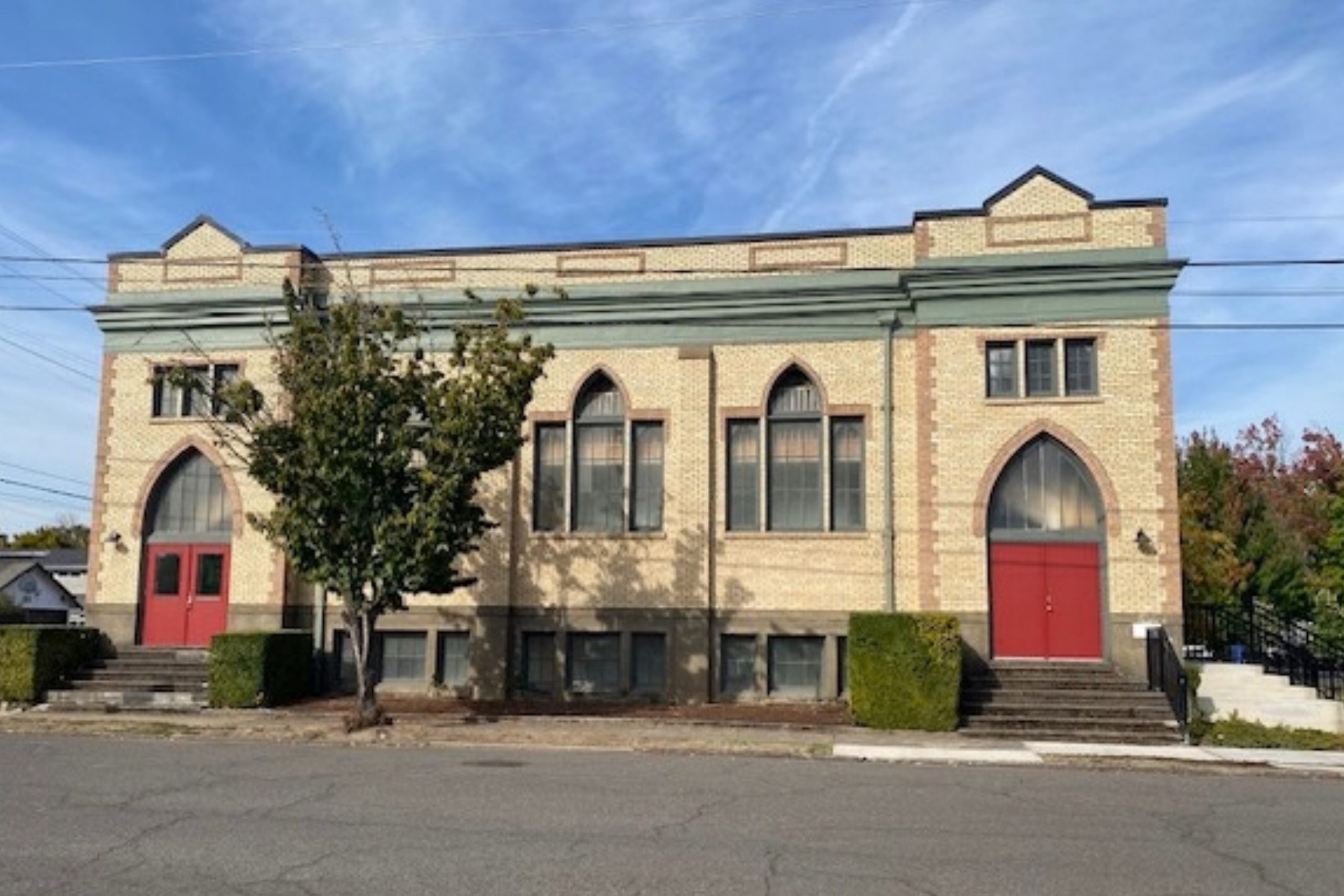
Pictured Above: The former Evergreen Presbyterian Church in Salem, Oregon, was converted to 17 new affordable housing apartments by DevNW and was the subject of a recent legal challenge. (Photos by Chris D’Arcy).
Oregon Court Removes Significant Barrier for Affordable Housing through Adaptive Reuse
By Carrie Richter, Restore Oregon’s Policy & Advocacy Committee Chair
Addressing Oregon’s housing shortage demands more than new construction. It requires making better use of buildings that already stand. Adaptive reuse—the conversion of former offices, schools, churches and other structures into homes—can turn vacant properties into affordable housing while preserving the investments, materials, history and character embedded in them.
The approach offers several benefits at once. Reusing a foundation, walls and structural components can reduce demand for new materials, keep demolition debris out of landfills and avoid a substantial share of the carbon associated with ground-up development. It can also revive underused properties in established neighborhoods, where streets, utilities, transit and community services may already exist. For affordable-housing developers operating with constrained rents and limited subsidies, every avoidable cost can determine whether a project proceeds and how many homes it provides.
In September, the Oregon Court of Appeals issued a decision that recognizes this practical reality as it relates to exemptions to paying prevailing wage. In DevNW v. Bureau of Labor and Industries (BOLI), the court reviewed the conversion of a century-old Salem church into 17 affordable apartments.
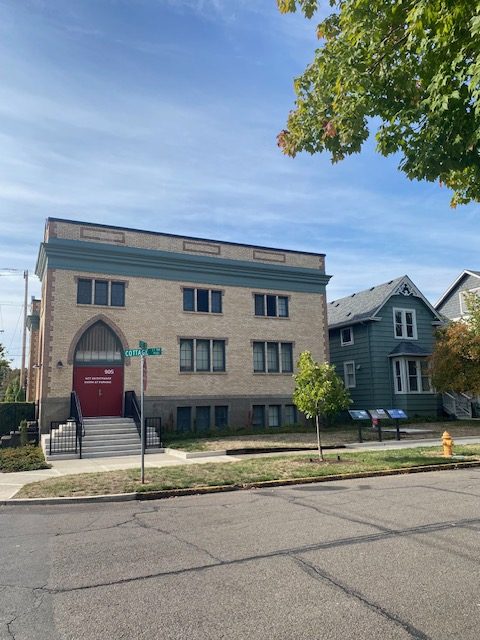
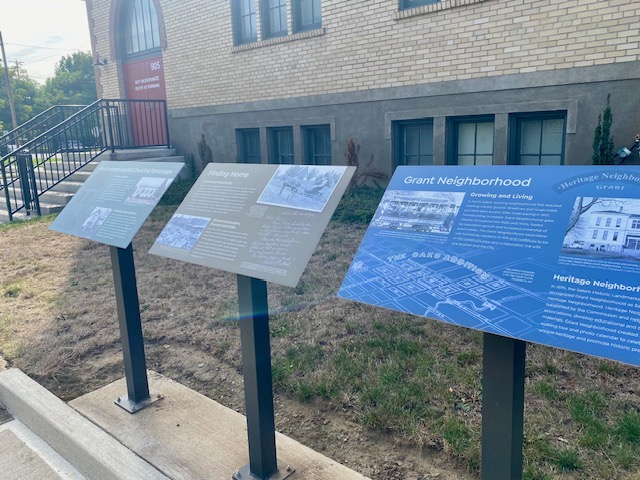
Located on a corner just north of downtown Salem, the Evergreen Presbyterian Church anchored the neighborhood through a heavy gothic revival brick structure complete with lancet windows, built in 1928 and standing vacant since 2020. DevNW preserved the foundation, exterior walls and certain windows, while creating new homes within the building’s shell. BOLI concluded that the project did not qualify as “residential construction” for an affordable-housing exemption from prevailing-wage requirements because it repurposed a church rather than constructing an apartment building from the ground up. According to BOLI, because the character of the building, its appearance as a church remained, it did not fit as an apartment or single-family building eligible for exemption.
The court reversed and remanded. “Construction,” which includes “major renovation,” is not limited to assembling entirely new materials. The legislature’s focus was the completed project’s residential character—not whether existing components were retained. In other words, affordable apartments do not cease to be residential construction simply because they rely on the use of pre-existing parts. Rather than focus on the outward appearance, only the resulting use was determinative.
The decision removes a significant barrier that penalizes reuse and creates a perverse incentive to demolish sound buildings. According to DevNW’s CEO, Emily Reiman, BOLI’s decision added about $50,000 per unit in expenses. Covering these additional expenses results in reduced unit counts and stops otherwise viable affordable housing projects.
Oregon can build on the court’s ruling by clarifying regulations, coordinating early code review and pairing reuse projects with grants, low-cost financing and preservation incentives. Unlocking even a portion of the state’s vacant and underused buildings would create much-needed housing, conserve resources and restore neighborhood assets. In the current housing emergency, Oregon cannot afford to waste that opportunity.