


presents
OREGON MADE: Experience Northwest Regional Modernism
a modern home tour benefiting Restore Oregon
On Saturday, September 27th, Restore Oregon invites you to explore the intersection of Modern Architecture and the Pacific Northwest.
This self-guided driving tour showcases a regional form of Modernism that highlights a connection to the landscape by blurring the boundaries between inside and outside and often by bringing the outside in, literally, with the incorporation of local materials.
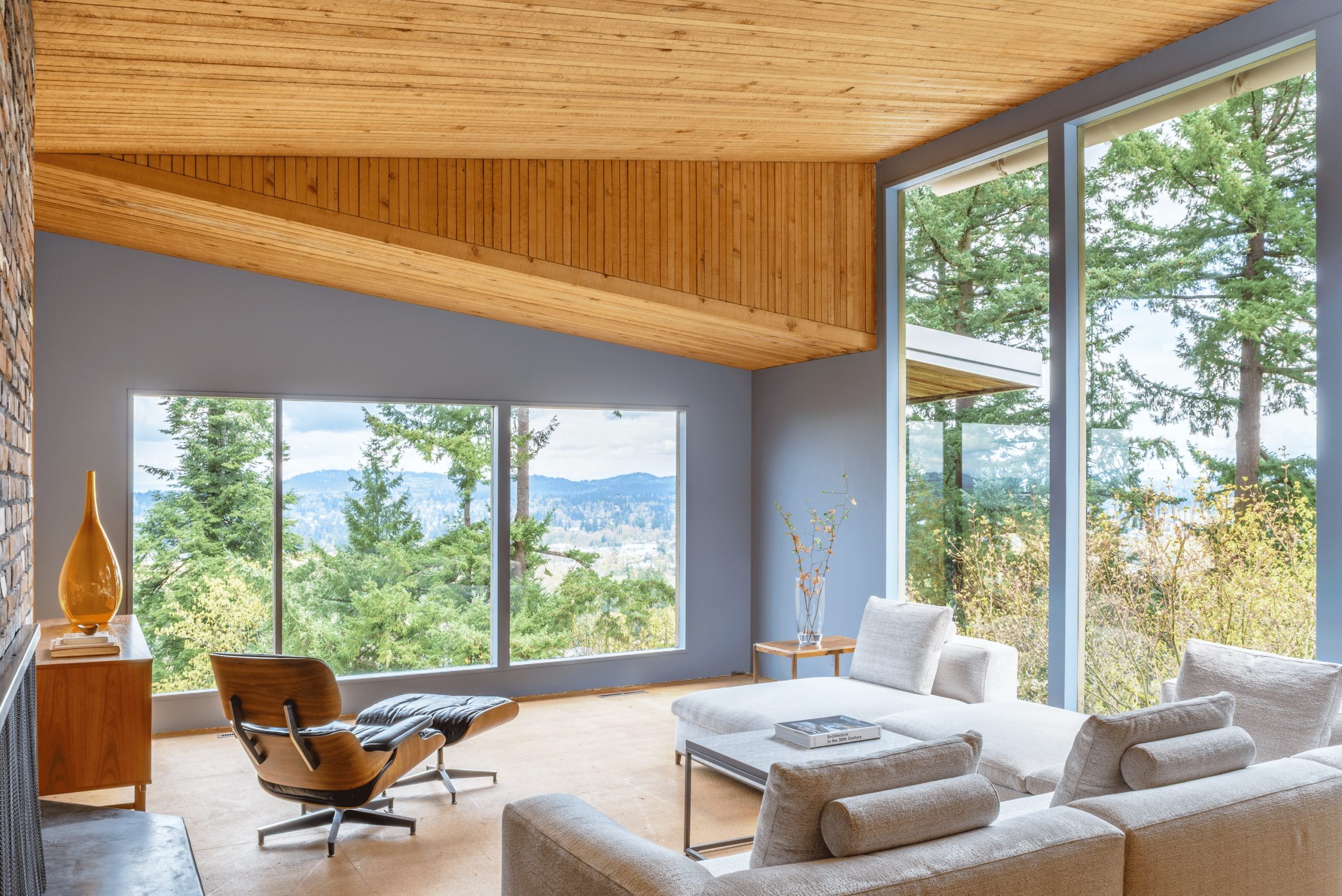
Pfahl House (1962)
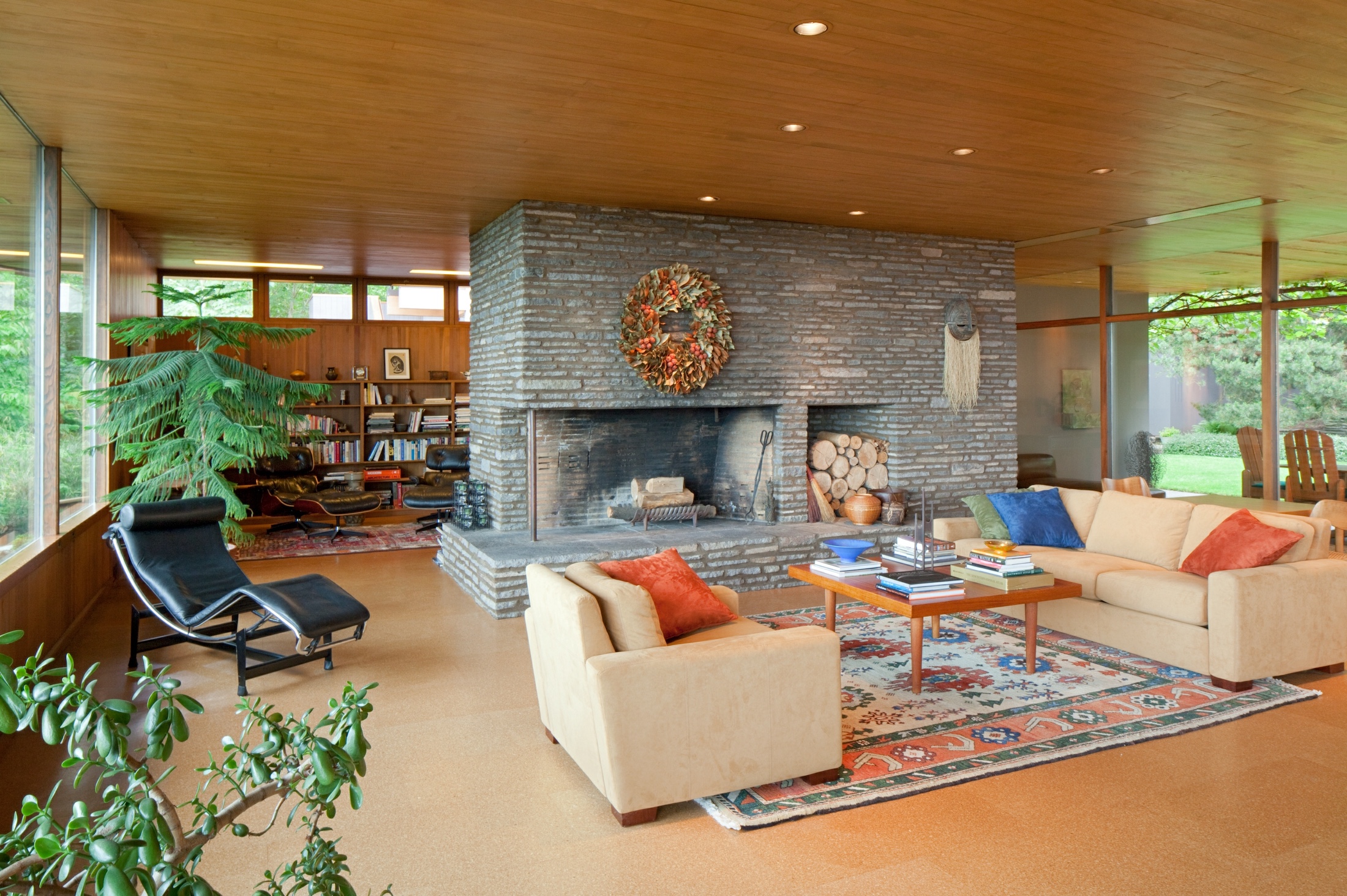
Burkes - Belluschi House (1945)
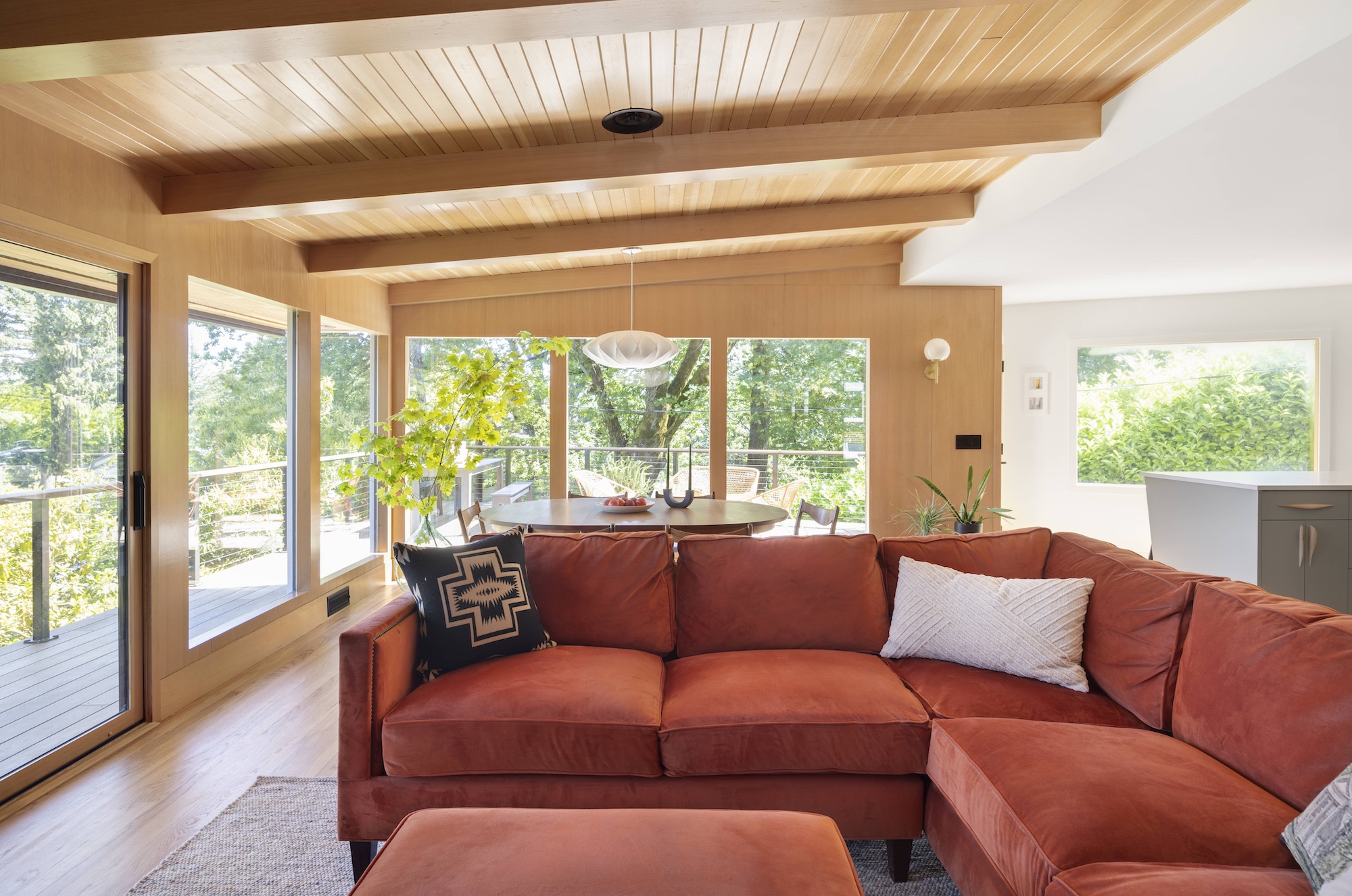
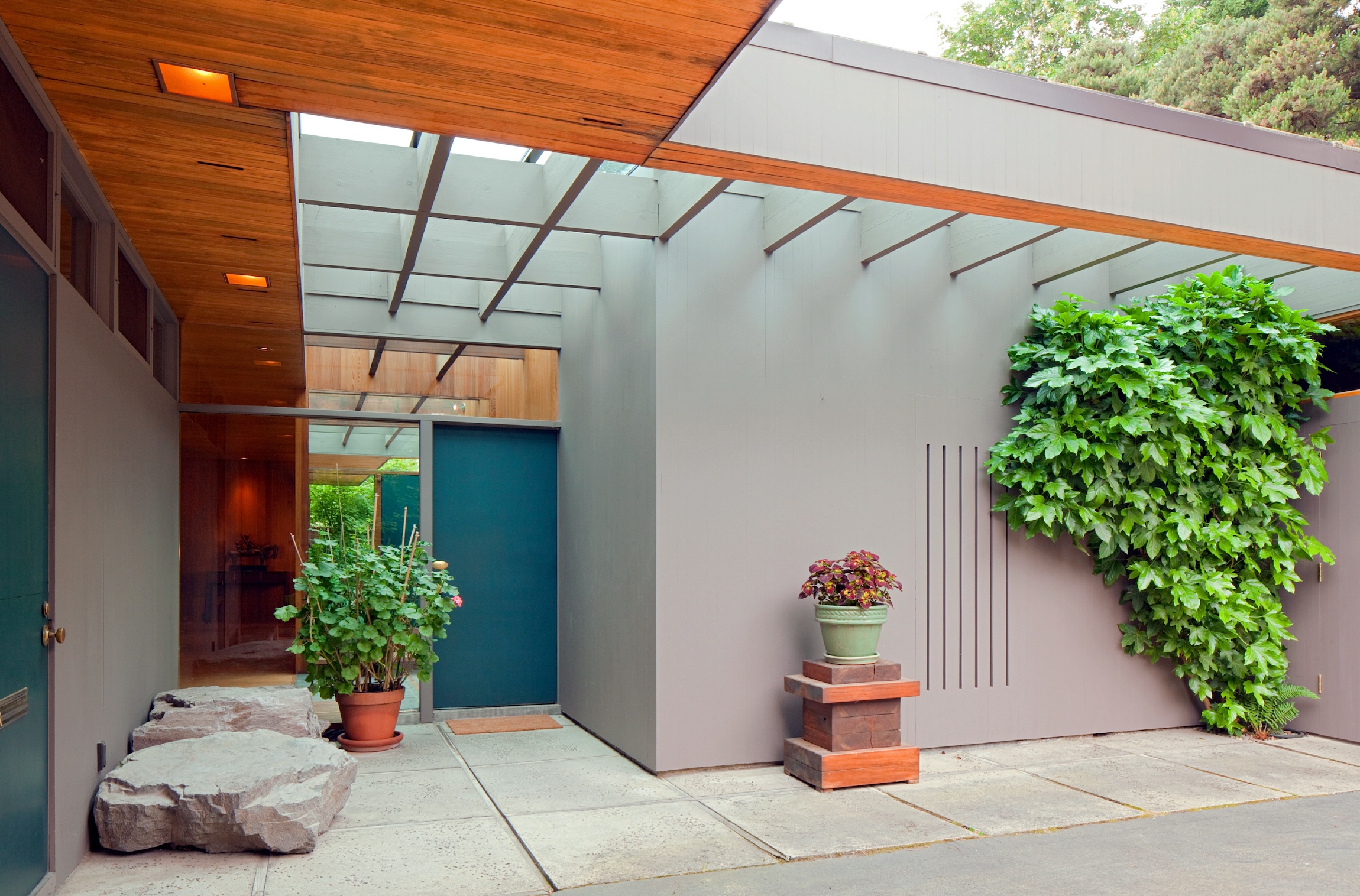
Glassman House (1954)
OREGON MADE: Experience Northwest Regional Modernism,
a tour of 3 homes
DETAILS
Date: September 27, 2025
Time: 10 am - 4 pm
Location: Self-Guided Driving Tour from the West Hills to West Linn
Ticket: $45
About the Tour
This tour provides the opportunity to experience Northwest Regional Modernism from the perspective of multiple architects in the homes they designed for different families.
As Modernism gained a following in the middle of the 20th century, architects of the Pacific Northwest gave it a regional twist by showcasing the local, natural beauty. In addition to local materials, tourgoers will be able to appreciate how these designers framed the picturesque views, allowing oneself to be immersed in the landscape.
Key design elements include:
- Local materials, in particular timber and stone
- Connection to the landscape
- Extended roof lines to protect from rain
On the day of the tour, each ticket-holder will check-in and receive a printed tour program that serves as a guide for the tour and the entry access into each home. We look forward to enjoying a day of design with you!
Pfahl House – Van Evera Bailey (1962)
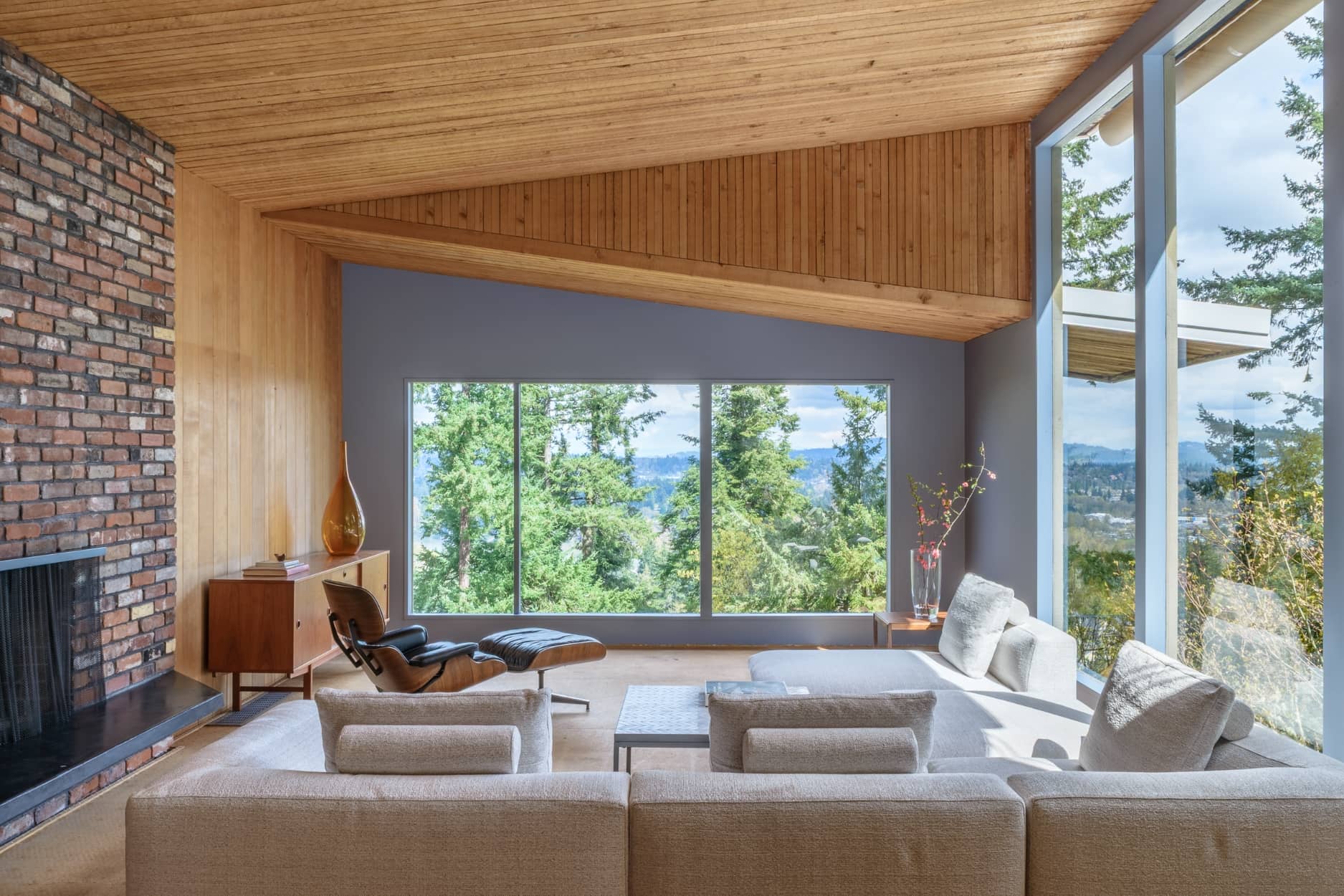
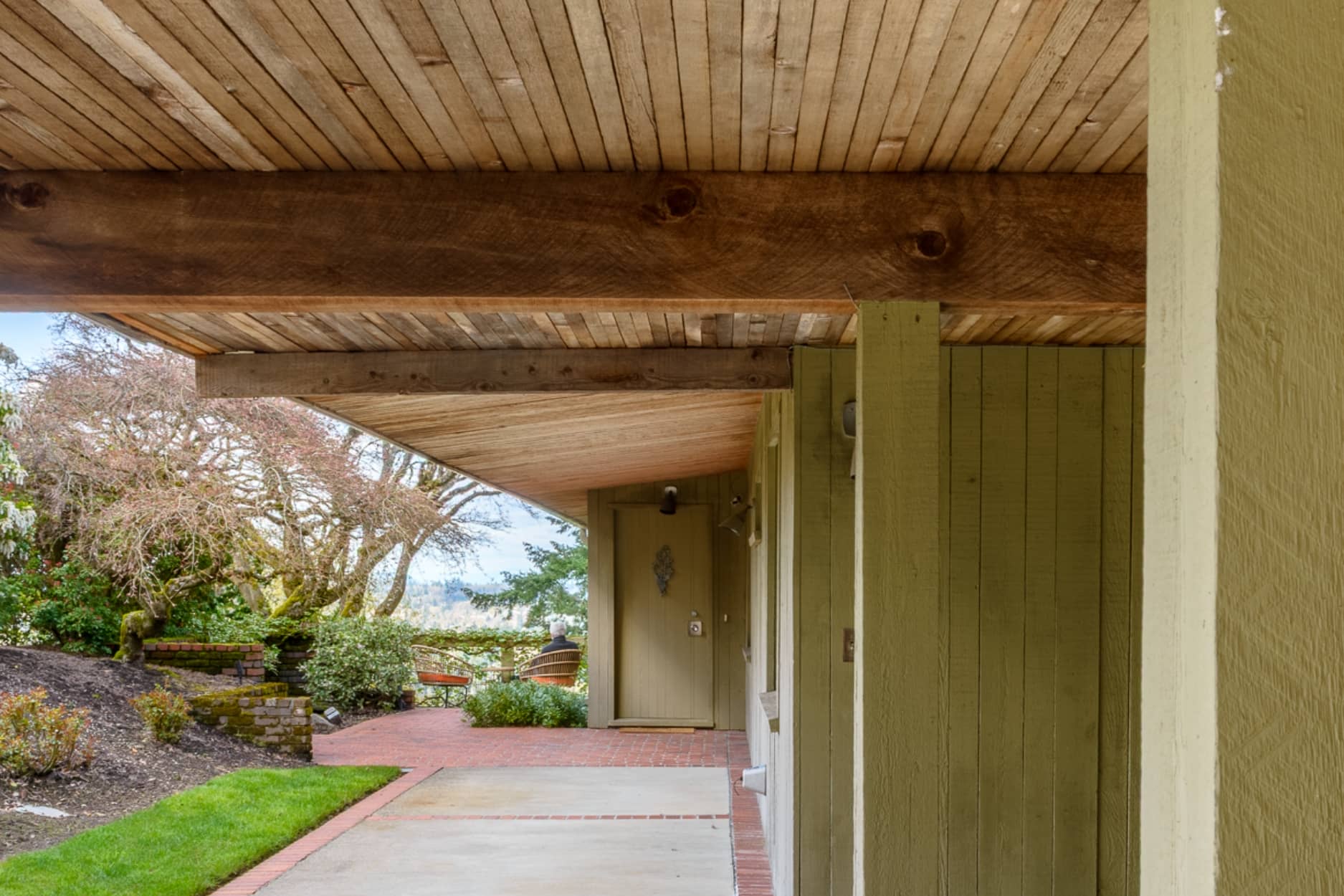
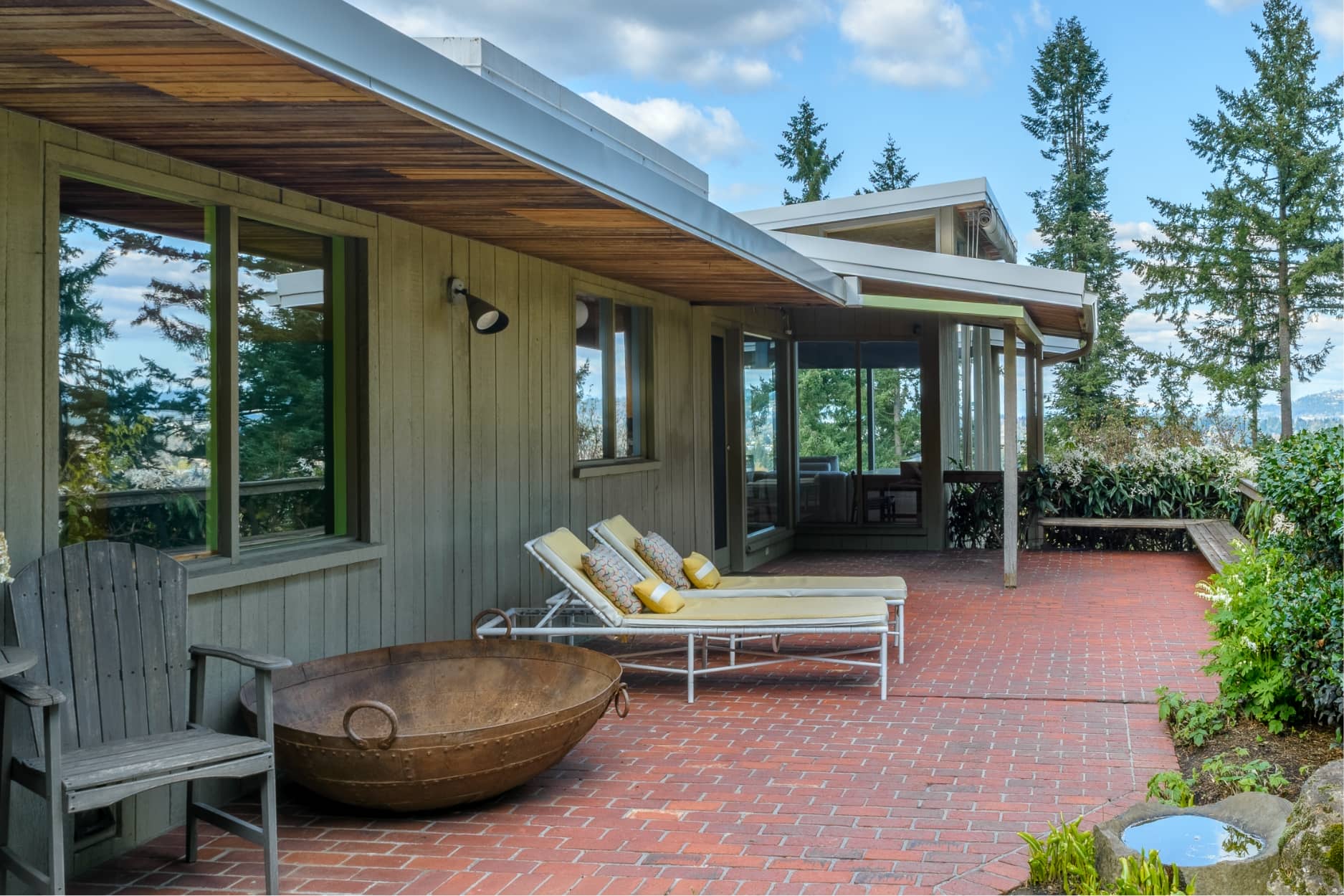
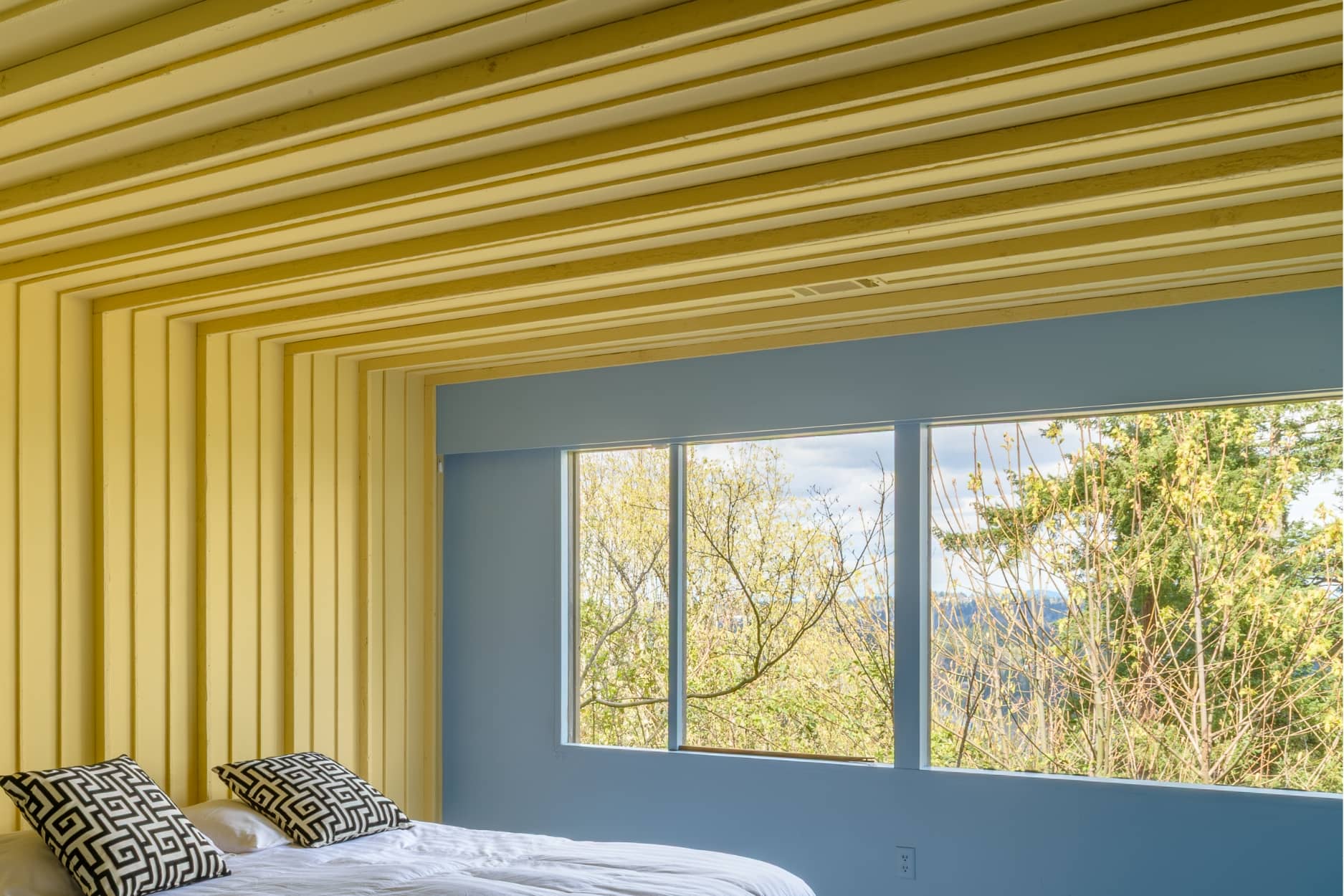
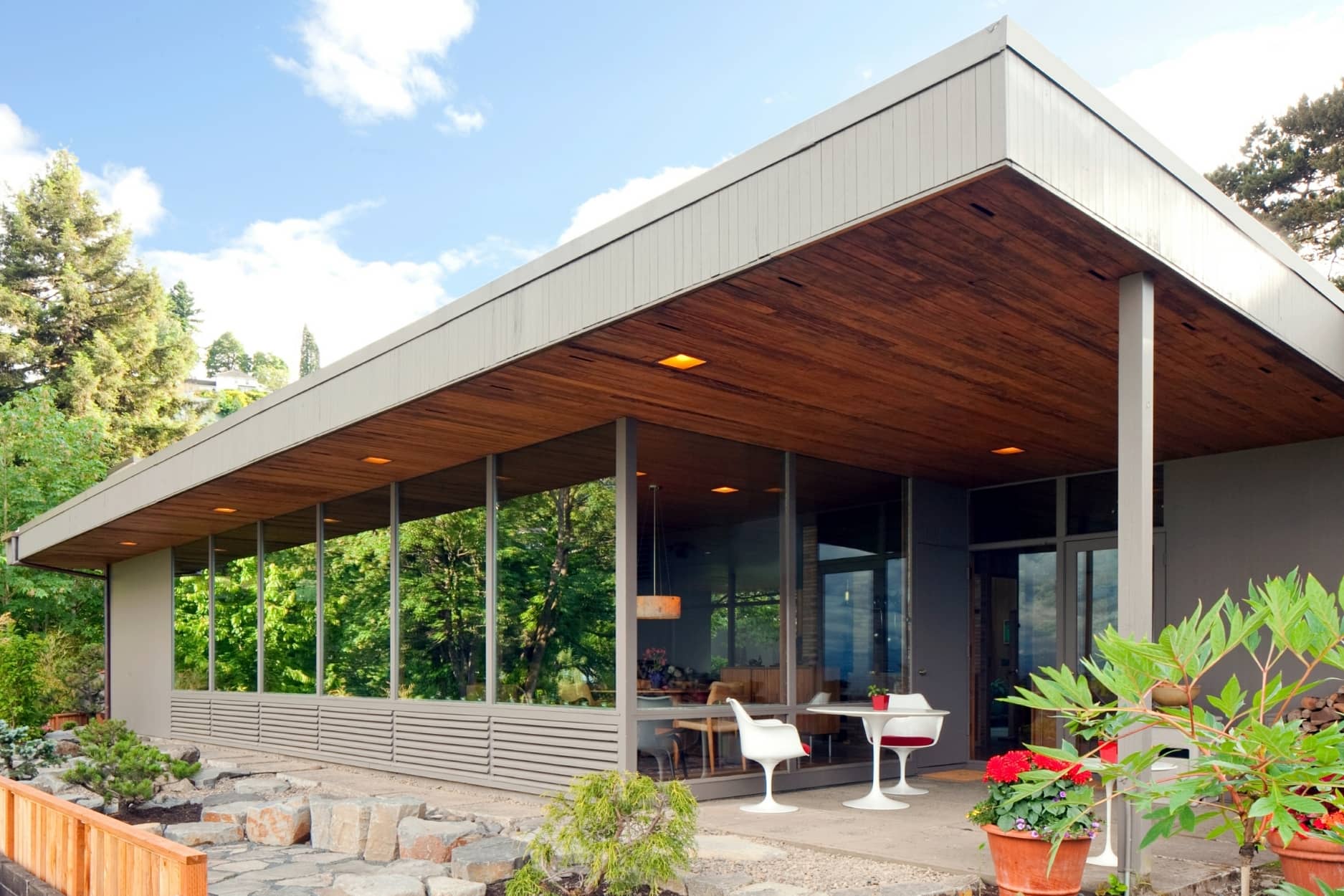
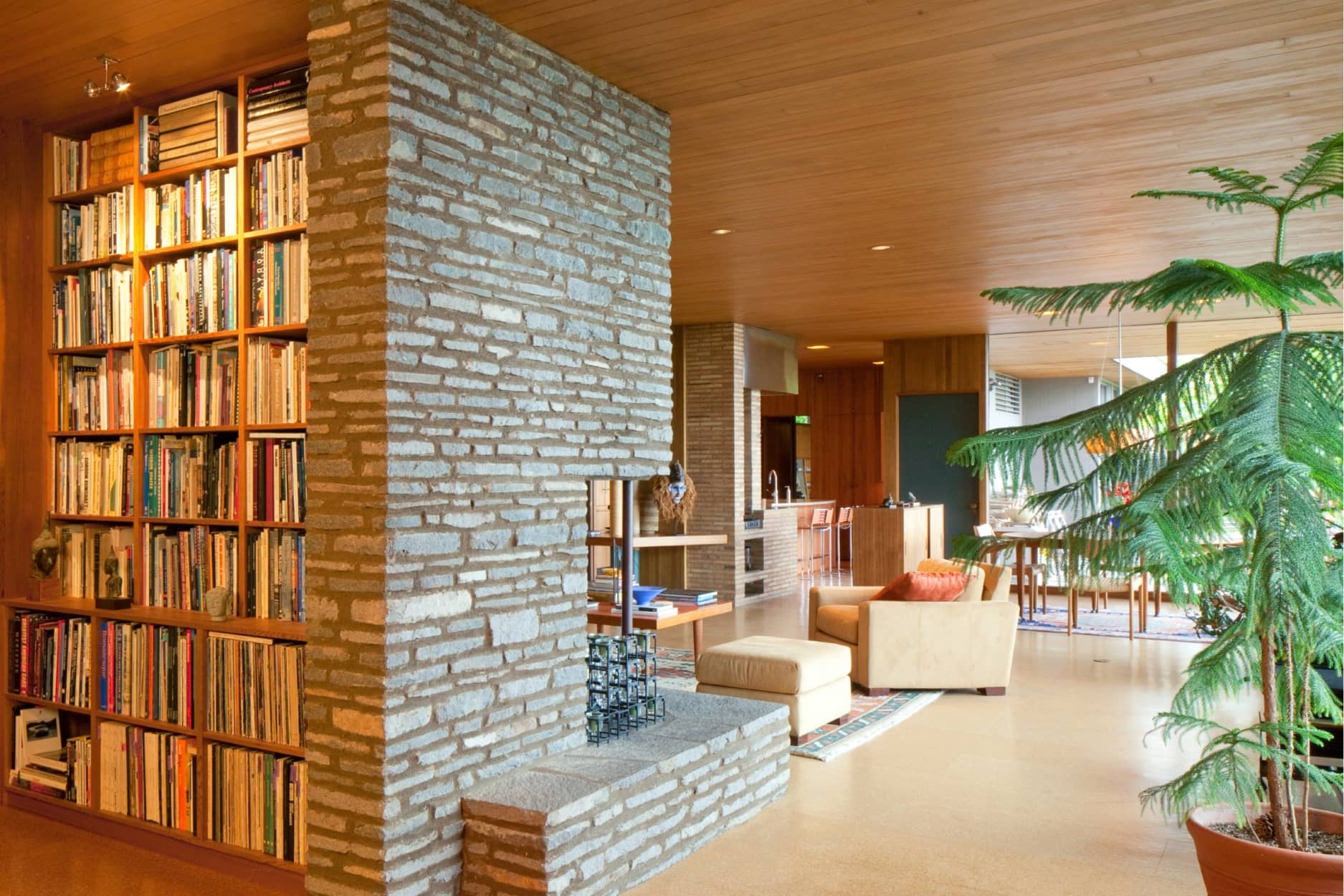
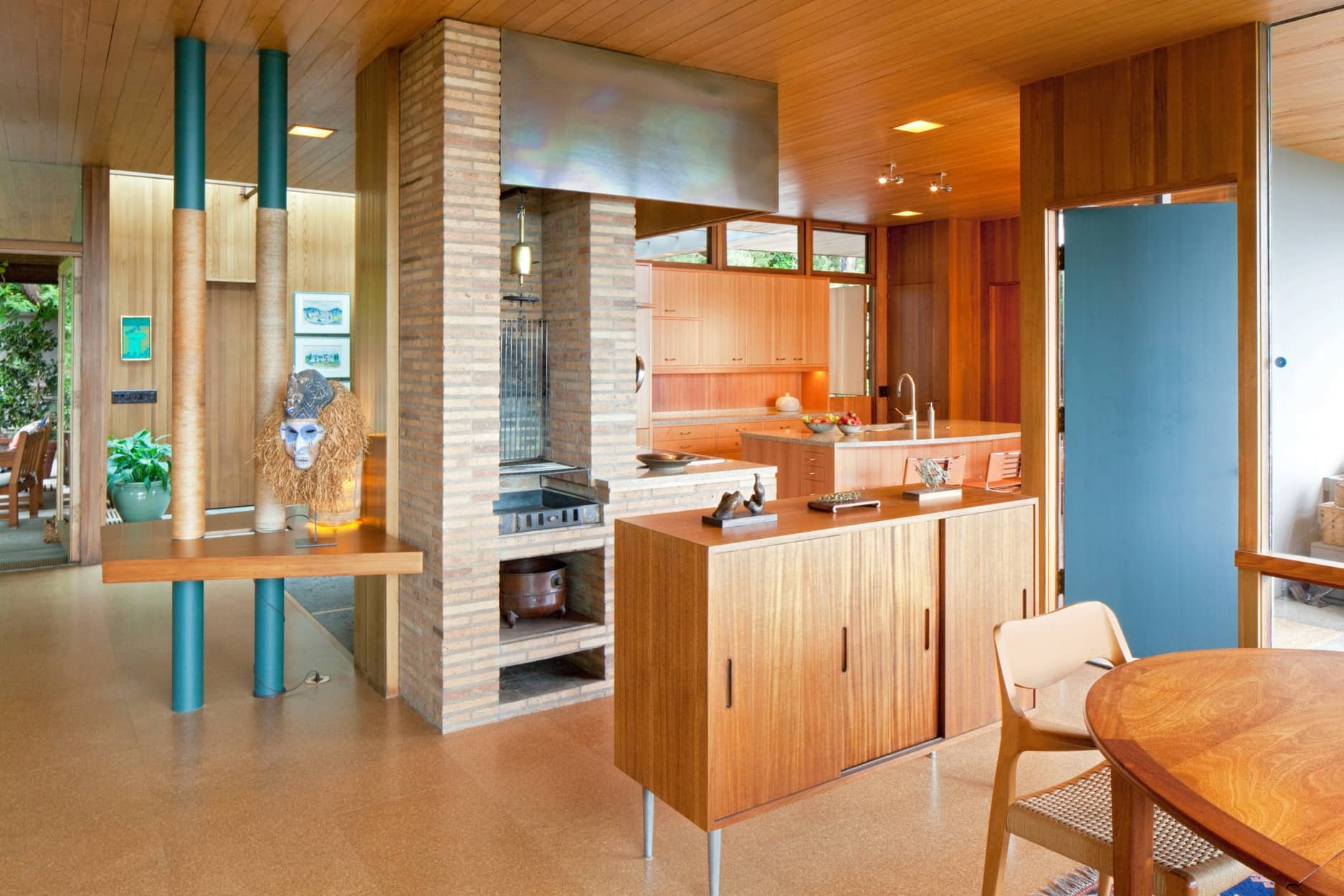
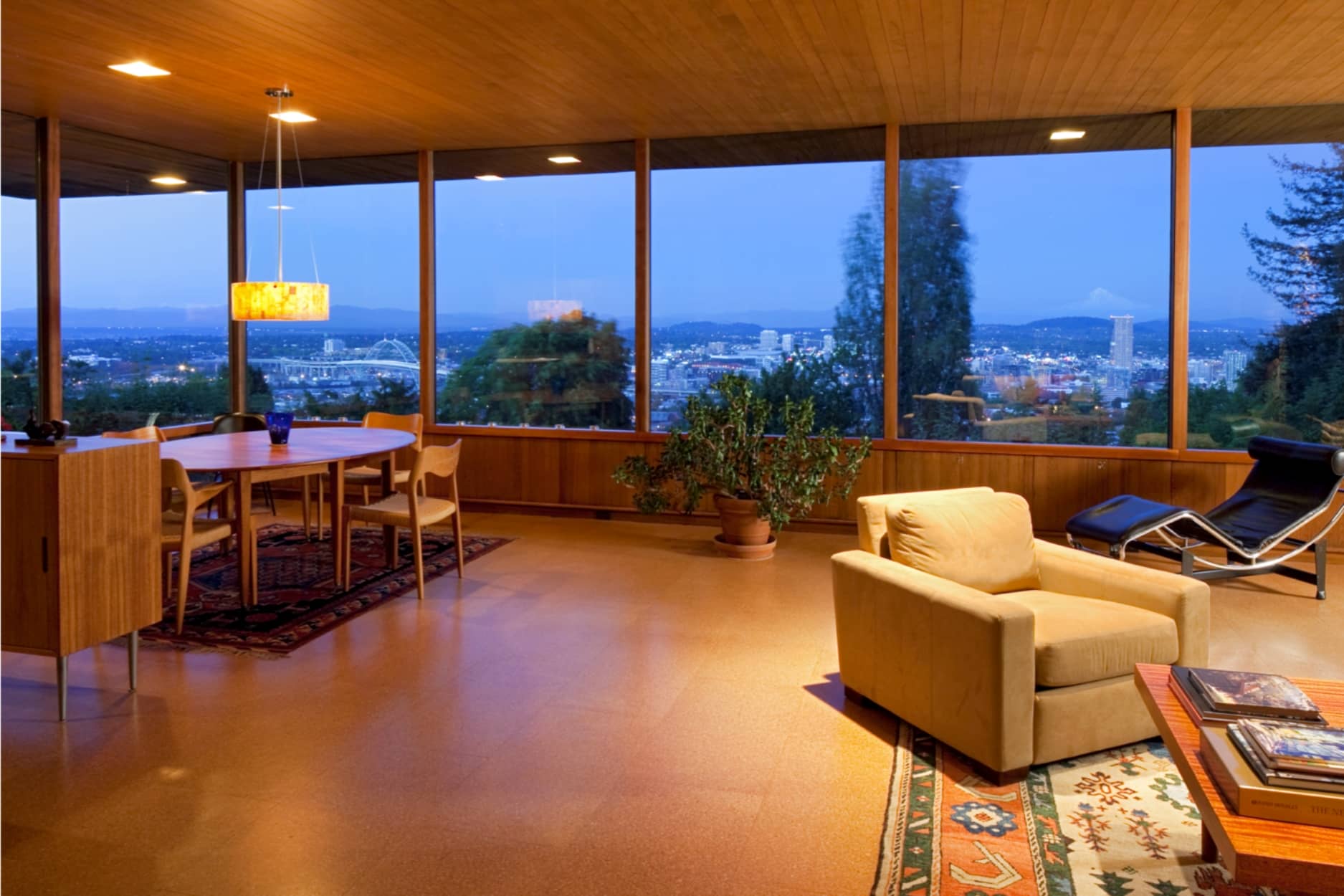
Restore Oregon is excited to share the Pfahl House in a time capsule state. Having only been lived in by its first owners, the Pfahl family, guests will have the opportunity to see the original design as architect Van Evera Bailey intended. This home, finished in 1962, includes many original finishes and fixtures. In addition, most rooms are highlighted with bright hues, due to Brenda Pfahl’s interest in color. The Pfahl home was choreographed for maximum viewing of the distant mountains with the home placement and window locations. On the outside, it is surrounded by the terraced work of Barbara Fealy, a fabulous mid-century landscape architect who worked closely with many architects of Northwest Regional Modernism.
Burkes-Belluschi House – Pietro Belluschi (1948)
In celebration of its recent listing in the National Register of Historic Places, the Burkes-Belluschi House is also joining our tour. Built in 1948 for the Burkes family, it later became Pietro Belluschi’s own home when he returned to Portland after living in Boston. The home incorporates the landscape through its use of local materials from intricate, rare woven wood ceilings to a massive fireplace constructed of “Mt. Adams stone.” The home defers to its surroundings with its expansive windows that frame views of the Portland skyline and Mt. Hood beyond. Anthony Belluschi, architect and son of Pietro, constructed the Teahouse in 2008, and began a sensitive renovation and addition to the main house in 2009.
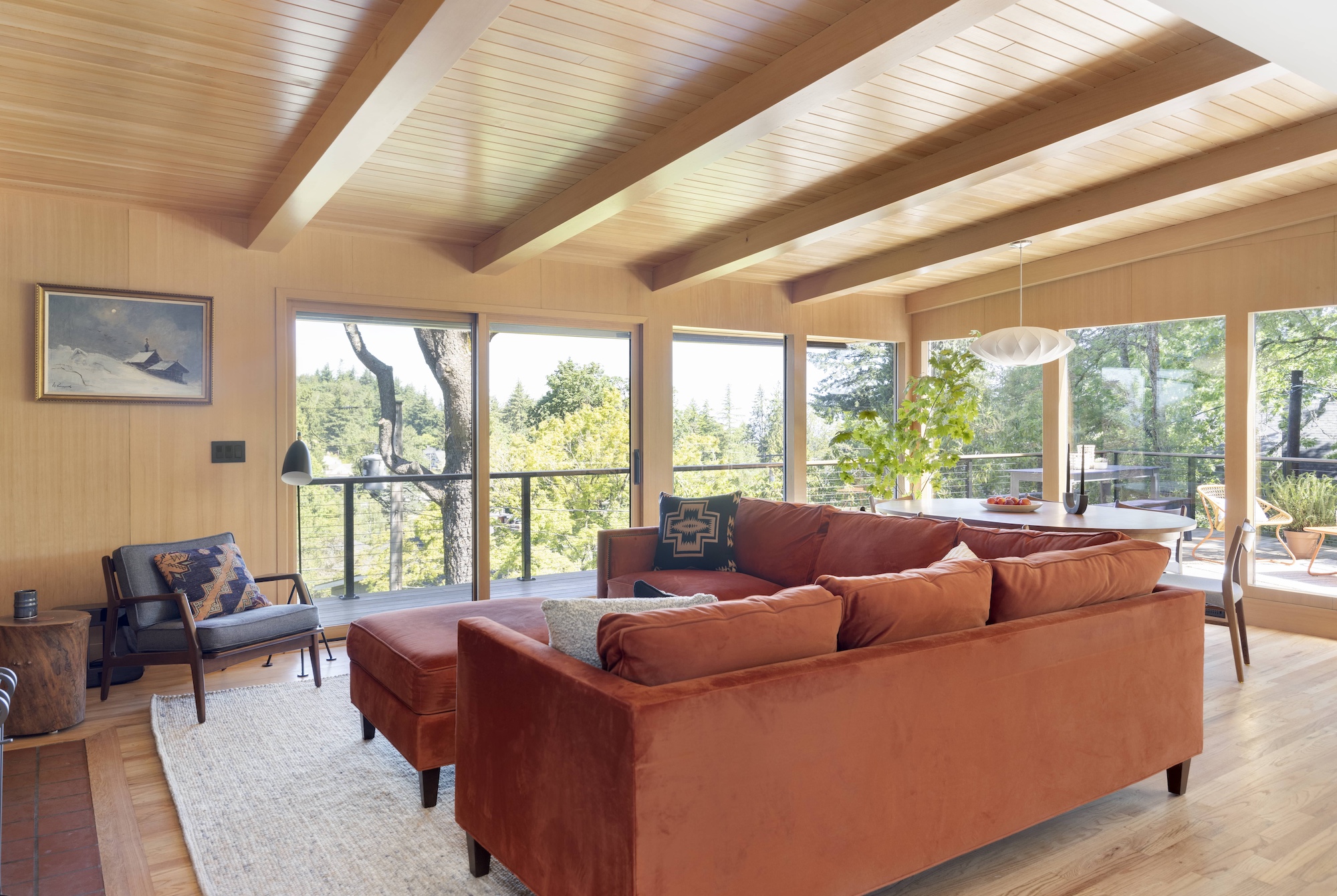
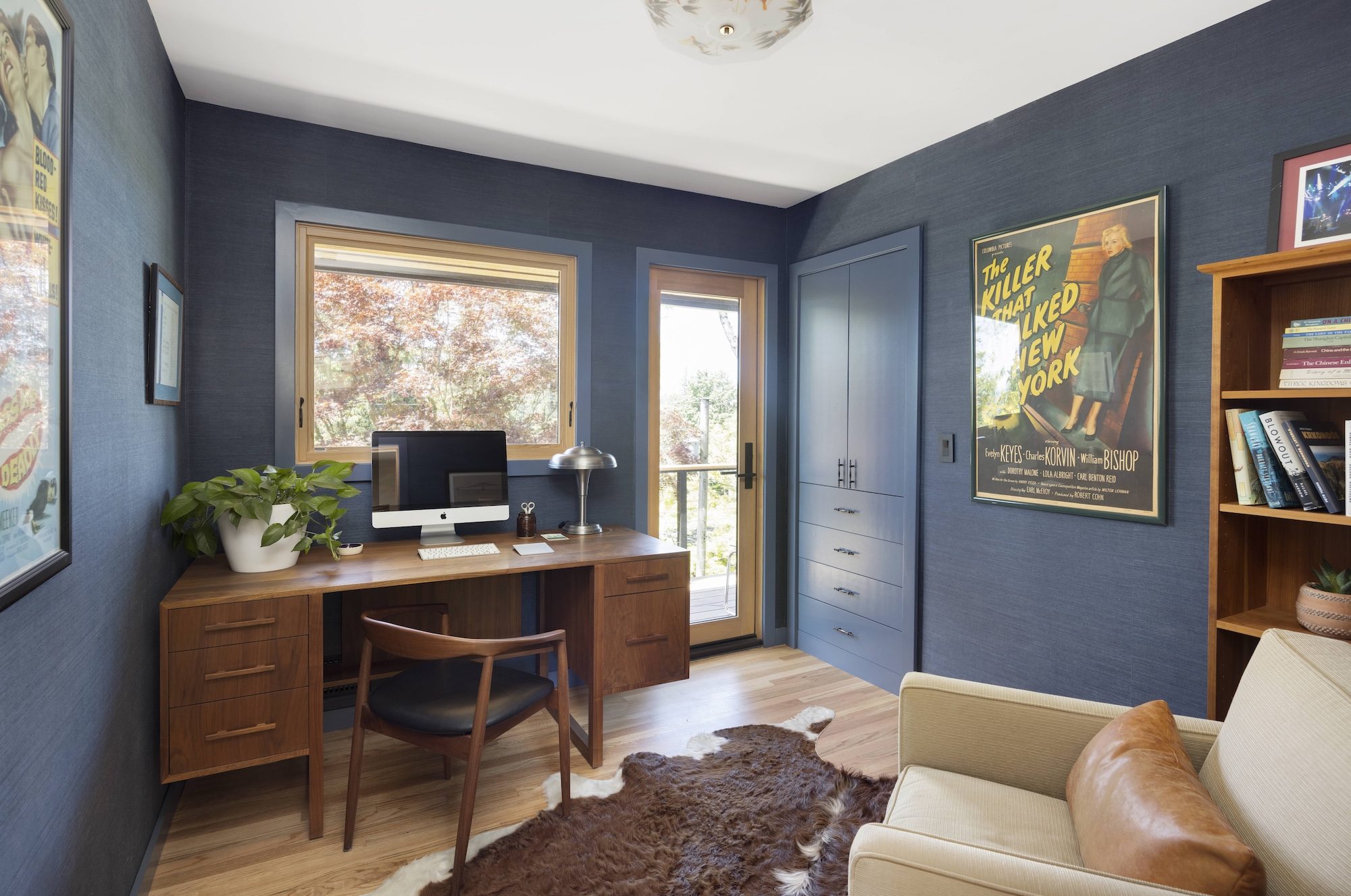
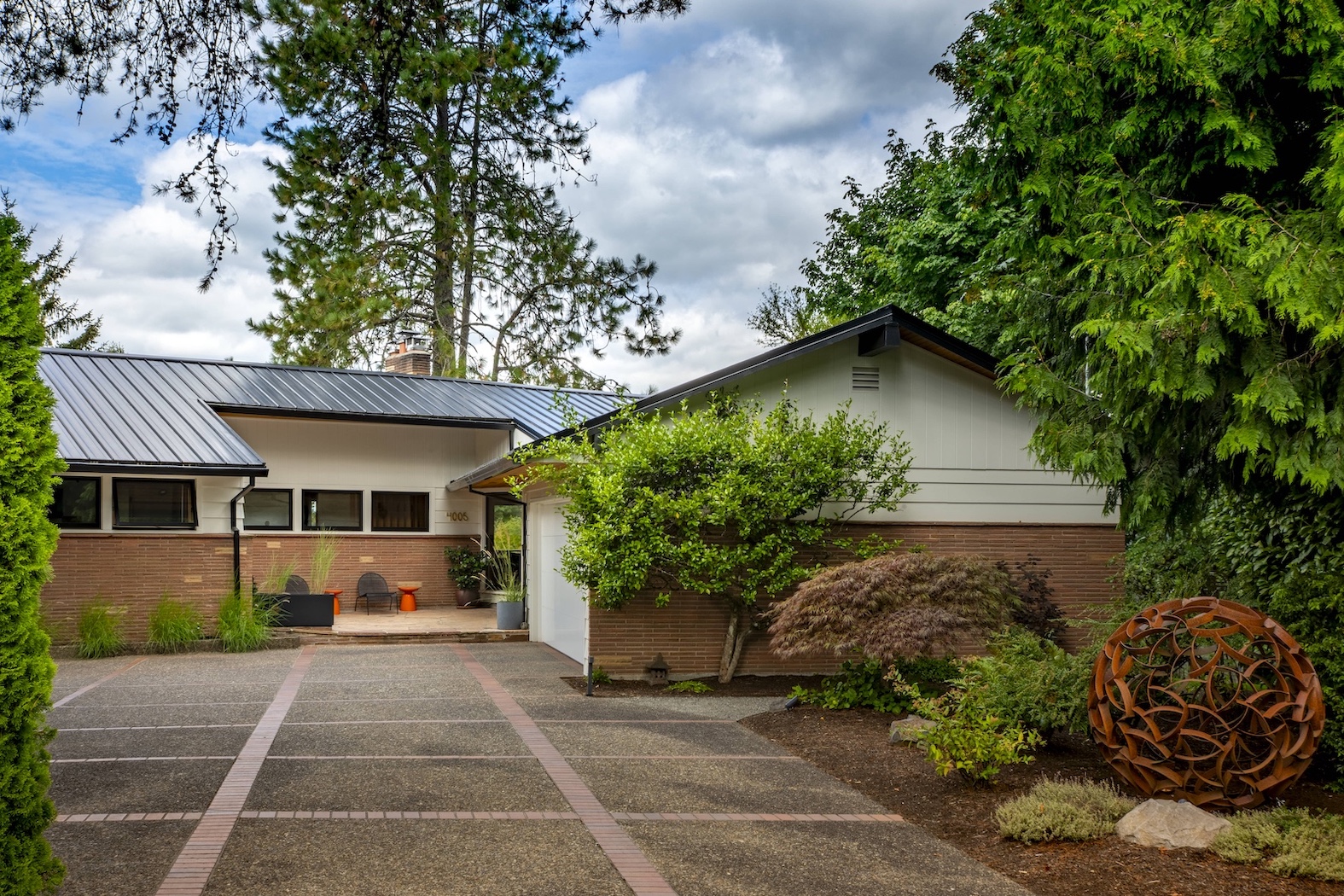
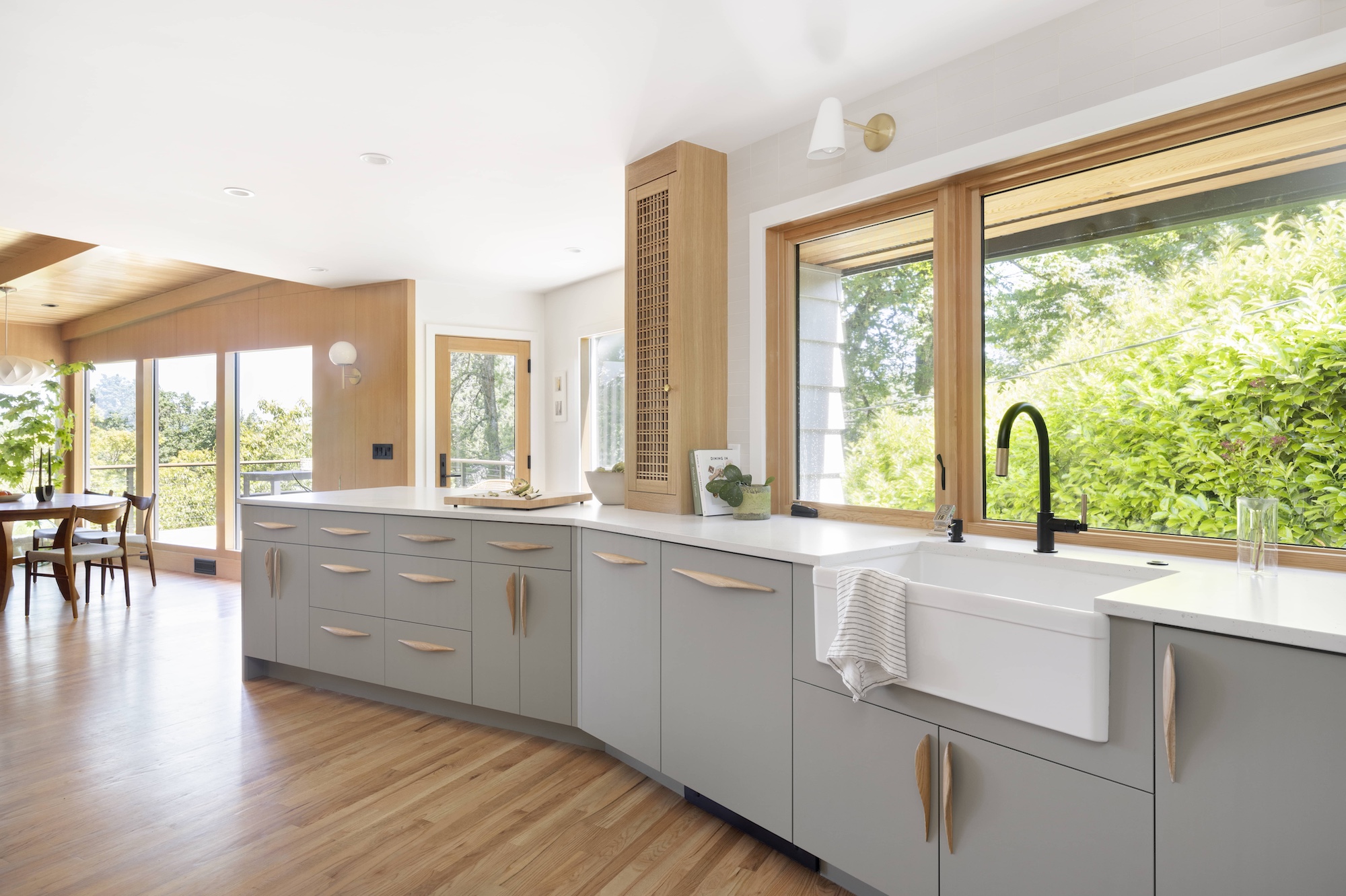
Glassman House – Architect Unknown (1954)
Our third home on the tour continues to illustrate the design characteristics connected to Northwest Regional Modernism. Built in 1954, the Glassman House was designed for a local radio station deejay. Its multilevel construction allows it to blend with the hillside site, while the floor-to-ceiling windows create an impression that you are floating within the trees. When viewing this home, tourgoers will have the opportunity to see many original fixtures as well as experience the treehouse feel and mid-century basement bar.
About Northwest Regional Modernism
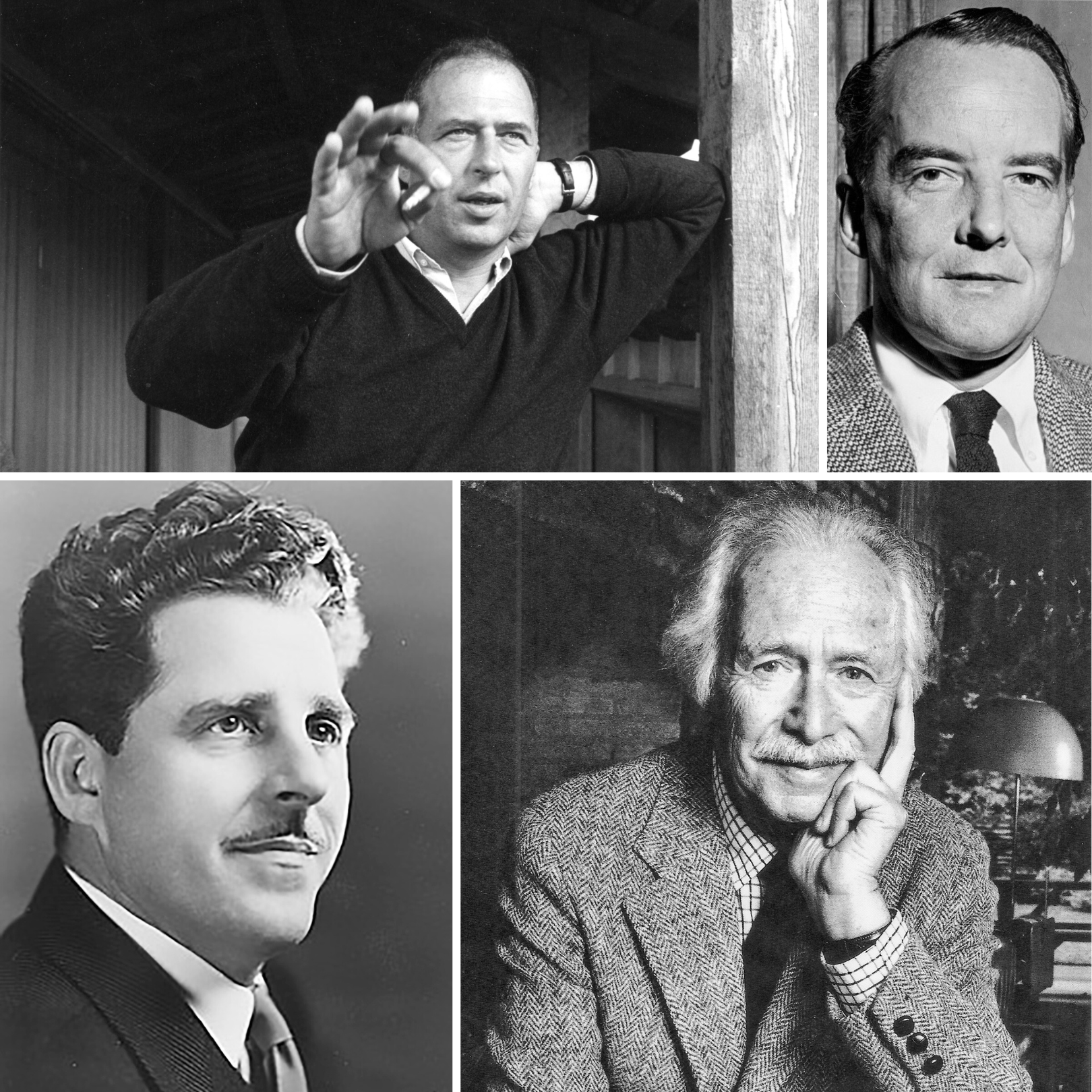
Although Modernism can be traced back to the European Bauhaus movement in the 1920s, Modern Architecture in America began to gain momentum in the 1930s. This was both out of necessity and a desire to forge a new path. Lifestyles were changing, and architects took notice as they worked to design more functional spaces and structures, including flexible, open-plan living. As the importance of the interior experience grew, the focus on detail and ornamentation of the exterior fell. In addition, many materials were depleted during the war, leading to a deliberate use of raw, local materials and newer building materials made possible by technological advances.
In the Pacific Northwest, architects forged their path with their own interpretation of these principles, reflecting the rugged beauty of our mountain, ocean, river, desert, and especially forest landscapes and bringing the outdoors in by utilizing natural materials such as local wood and stone.
Key Architects
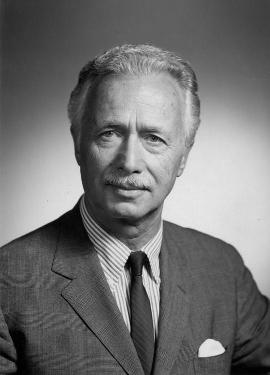
Photo of Pietro Belluschi
1899 - 1994
Pietro Belluschi
Pietro Belluschi was a revered architect celebrated for his pioneering contributions to Northwest Regional Modernism. Born in Ancona, Italy, he made Portland his home, crafting timeless designs that integrated local materials, such as wood and stone, into elegant structures. Notable works in Oregon include the Portland Art Museum and the Equitable Building.
Belluschi's influence extended far beyond Oregon. He served as the Dean of Architecture at MIT and chaired numerous design juries, including that of the Vietnam Veterans Memorial in Washington, D.C. His legacy lives on through iconic buildings such as the Cathedral of Saint Mary of the Assumption in San Francisco and the Alice Tully Hall at the Juilliard School of Music.
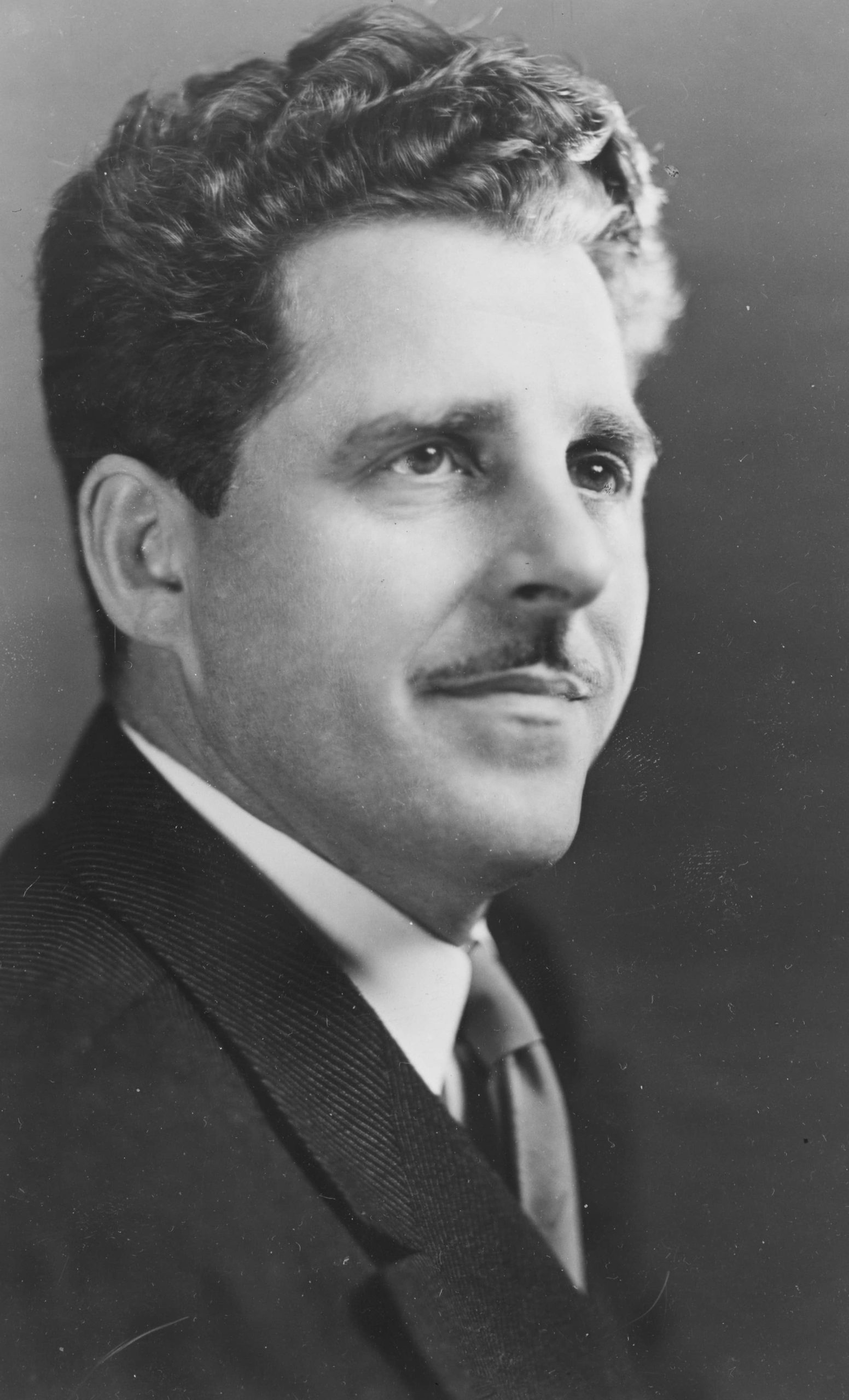
Van Evera Bailey
1903-1980
Van Evera Bailey
Van Evera Bailey was a native Portlander born in 1903. In his youth, he held an array of jobs from chasing fires in the Santiam Forest to a stint at Pearl Harbor, and he even designed miniature golf courses in New Zealand. In 1937, he returned to Oregon to complete his sister’s home and later found his niche and popularity with Northwest Regional Modernism. He gave attention to local materials, such as cedar, appreciating its value in the damp Pacific Northwest.
Bailey is known for creating very livable and unpretentious homes with “three overriding themes as their guiding principles: the placement of the structure on the site, the view from the house, and the emphasis on public spaces.” Van Evera Bailey worked in California alongside William Gray Purcell, often referenced as his mentor, and Richard Nuetra in both California and Oregon, where he was the supervising architect for the Jan de Graaf House. He secured recognition as one of the key architects for Northwest Regional Modernism when his home for the Eyre Family was featured on the cover of Better Homes and Gardens in July of 1954.
Thank you to our Restore Oregon Modernism Sponsors!
Platinum Presenting Sponsors

Gold Sponsors


Silver Sponsors

In-Kind Sponsors
Sponsor Restore Oregon Modernism
One of Portland’s most anticipated design and architecture events of the year has grown to a year-round event, called Restore Oregon Modernism.
Sponsorships are available that cover all events and support our work to save historic places across the state.