




Historic Brooklyn Railroad Roundhouse Turntable
Location: Portland, Oregon
Year Constructed: 1925
Work Completed: 2024
Project Budget: $5 million
DeMuro Award Recognizes: Oregon Heritage, Skilled Craftsmanship, Tourism
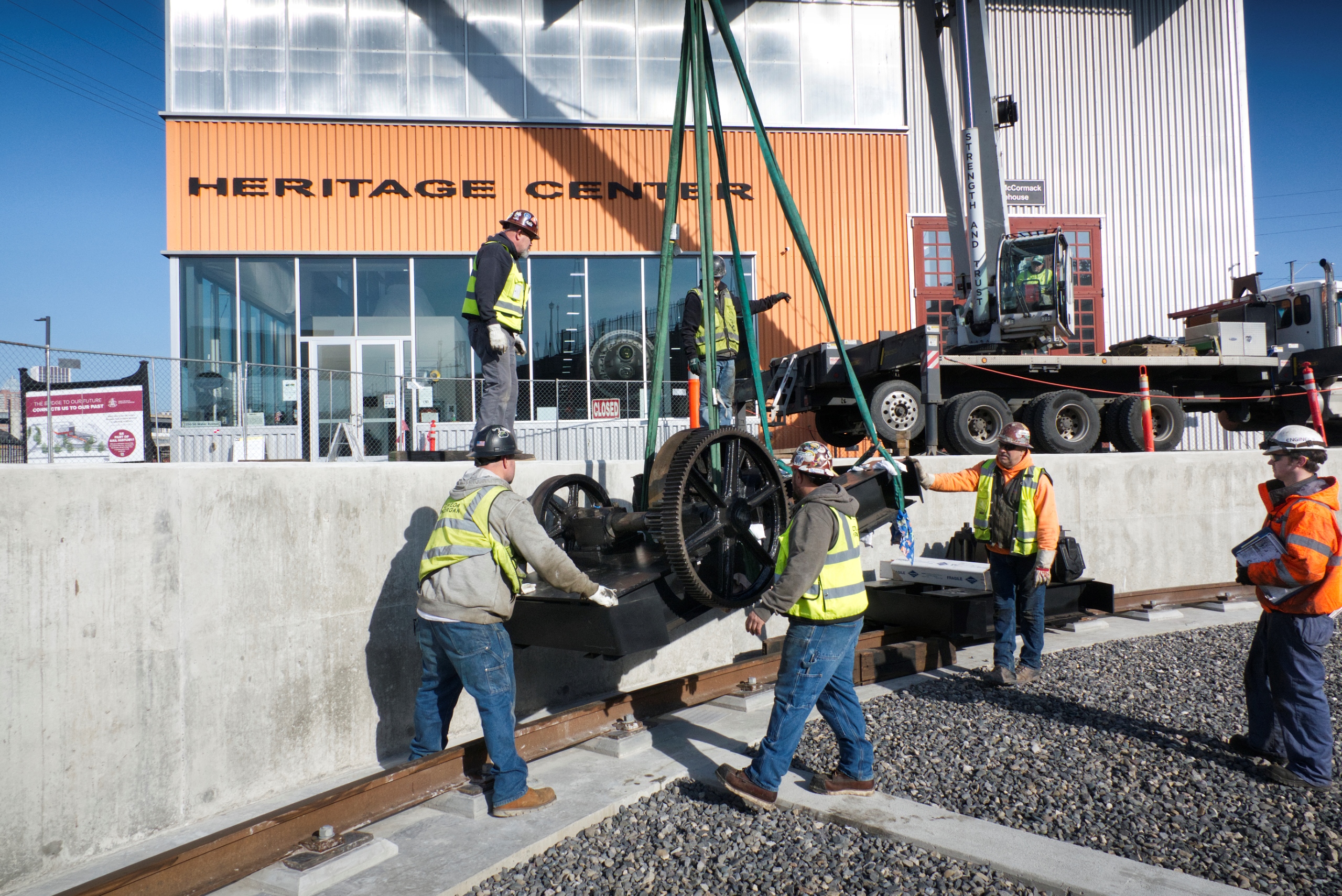
History: The Brooklyn Roundhouse Railroad Turntable holds significant historical value as a key component of the railroad infrastructure in Portland. Initially installed in 1925 by the American Bridge Company, the turntable was a crucial component of the Brooklyn Yard, a significant hub for the Southern Pacific Railroad. The turntable's primary function was to rotate locomotives, allowing them to be directed onto different tracks or into the roundhouse for maintenance and repairs. This capability was crucial for the efficient operation of steam locomotives, which needed to be turned around for return trips.
After 75 years of operation, the turntable was decommissioned in 1999, and the roundhouse was demolished in 2012. However, the turntable was preserved and donated to the Oregon Rail Heritage Foundation (ORHF), which undertook its restoration and reconstruction. This effort not only preserves a piece of railroad history but also offers a unique educational and recreational experience for visitors, highlighting the significance of railroads in Oregon's and the broader United States' development.
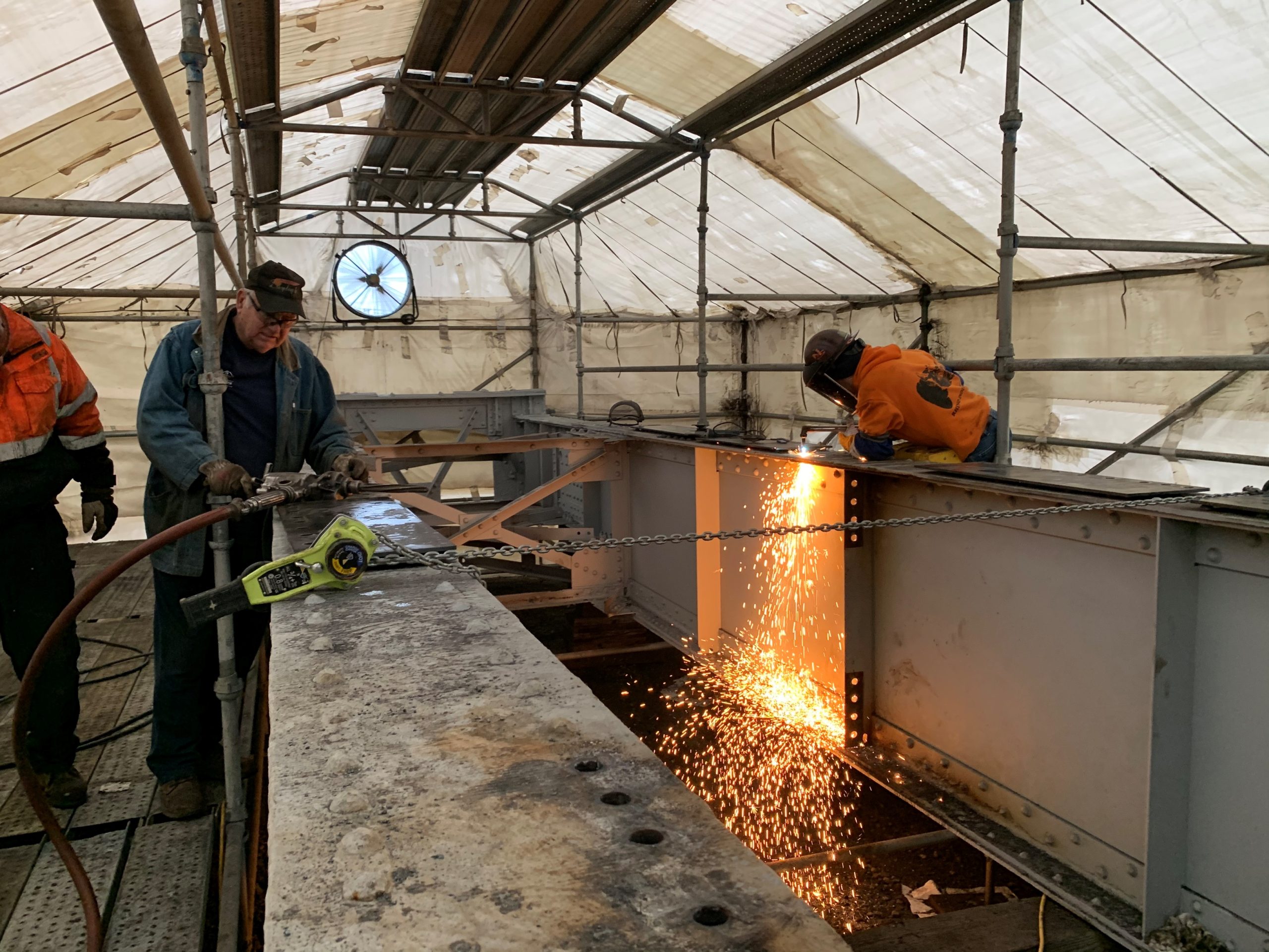
Overview: Work began in earnest after the Union Pacific Railroad ceased operations of the turntable in 1999 and demolished the roundhouse and turntable in 2012. The project involved the meticulous reconstruction of a 100-year-old turntable, ensuring that it met current building codes while preserving its historical essence. This required a delicate balance between maintaining the original design and incorporating necessary modern updates. The result is a faithful replication of the original turntable, featuring updated components such as motors and trucks that adhere to the original blueprints.
Work closely adhered to the Secretary of the Interior’s Standards for Historic Preservation by retaining and preserving materials and features from the restoration period, refusing to remove materials or alter features, spaces, and spatial relationships that characterize the period, ensuring the turntable interpretive panels recognized it as a physical record of its time, place and use and presenting the physically and visually compatible using materials, features, spaces and finishes that characterize its historical era.
The project exemplifies adaptive reuse by transforming the turntable into a functional piece within the Oregon Rail Heritage Foundation (ORHF) museum. The reconstructed turntable not only preserves a significant piece of railroad history but also serves as an educational and recreational asset for Oregon and beyond. It stands as a testament to the power of community collaboration and dedication to preserving historical landmarks.
Congratulations to the entire project team:
Roger L. Woehl
Hennebery Eddy Architects
Oregon Rail Heritage Foundation
KPFF
Omega Morgan
Resolve Architecture
HDR Engineering Company
Dale Birkholz
RFC-NW
Doyle McCormack
Photos by Nathaniel Boyd, Suenn Ho, Resolve Architecture, Dale Birkholz,